


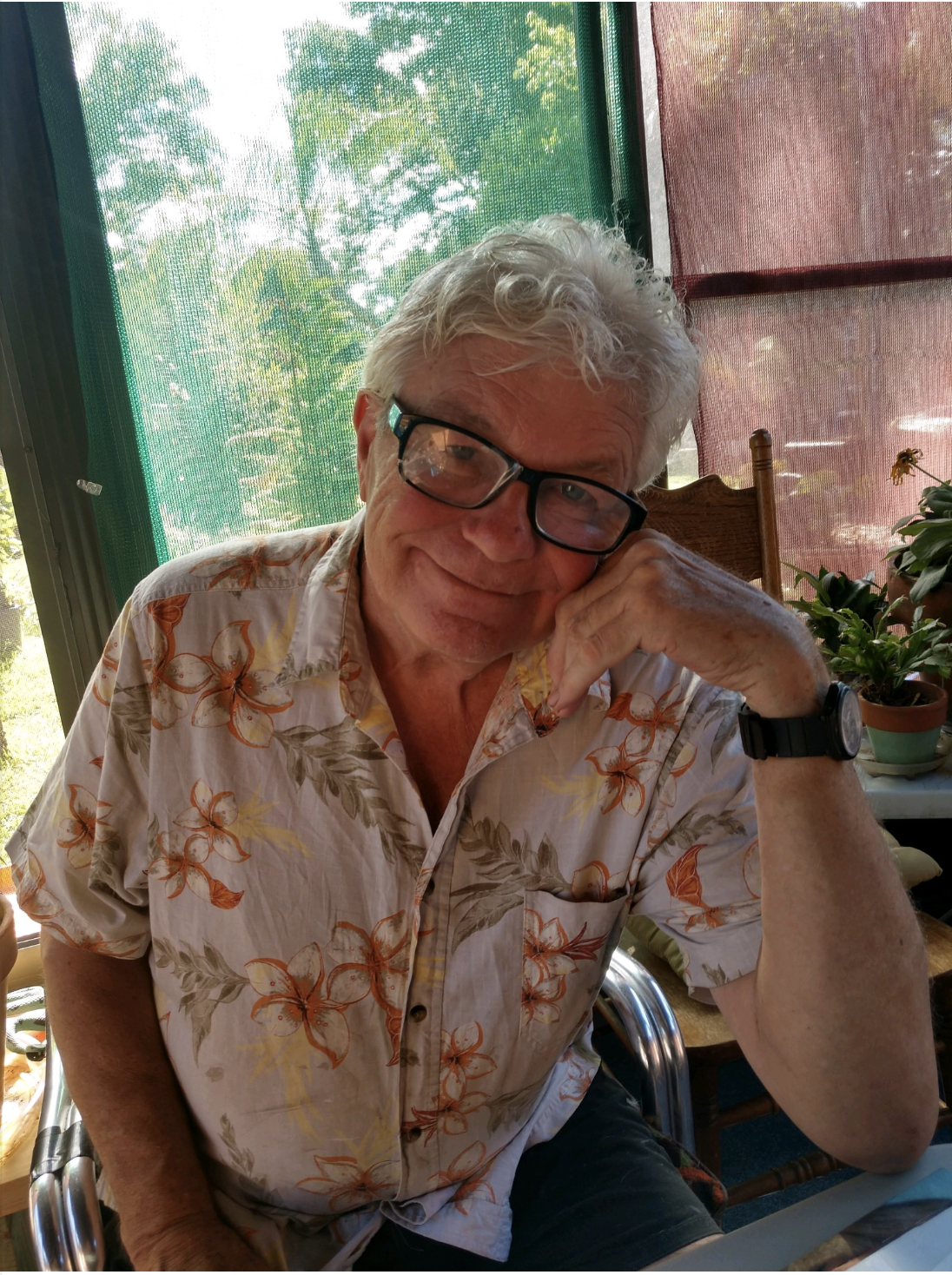
Jerry Redding
Lives & Works in Mansfield Center, Connecticut
Jerry Redding’s paintings bring mythology, history, and imagination into vivid conversation. Familiar forms take unexpected turns, while ancient stories find new expression through bold color and inventive compositions. His work balances a sense of play with an interest in the human experience, giving room to both humor and contemplation. Each painting invites us to follow its details, consider its possibilities, and discover the pleasure of seeing beyond the familiar.
-
Jerry Redding’s life in art began at six, when his parents gave him a set of oil paints and canvases. That gift opened a pursuit that has continued through decades of study, teaching, travel, and painting. His work brings together the interests of an artist and a historian, with a curiosity that moves freely among ancient myths, music, the natural world, and the possibilities of imagination.
A Midwesterner who spent his formative years in Scottsdale, Arizona, Redding studied with painter Joseph Gatti during high school. His education took him to Arizona State University, Hartford Art School, and the University of Connecticut. After touring Europe in the summer of 1969, he returned to the United States and was accepted at Hartford Art School, where he studied painting with Rudolph Zallinger and design with Clifford Jones. His academic background includes an undergraduate degree in European history and a master’s degree in painting and sculpture.
Art, history, and craftsmanship have remained connected throughout his career. Redding taught history for more than twenty years and worked in commercial art, display, and graphic design. He also developed a practice of creating hand-painted tavern signs, an undertaking that began with a college speech assignment. Building, aging, and painting these wooden signs brought his historical interests into works made for individual homes and businesses.
In his paintings, Redding moves between realism, semi-abstraction, and abstraction. He favors bright color and rectangular canvases, drawing on the golden mean, a proportional relationship used in art and design. He also describes arranging compositions to lead the eye from left to right. These deliberate choices give structure to imagery that can be playful, theatrical, or contemplative.
His artistic influences span Vermeer, Caravaggio, Paul Klee, Ben Nicholson, Henri Rousseau, David Hockney, and Tamayo. Their varied approaches reflect the breadth of his own interests and his willingness to explore different ways of seeing, arranging, and interpreting a subject.
Travel and family are important parts of Redding’s life. With his wife, artist and designer Agatha Hoover, he helped transform Mansfield Art Center from a cooperative gallery into an international gift shop. Their daughter, Caroline, shares in the family’s travels. Through the center, their appreciation of art and craft extends to supporting artisans, fair trade, and the preservation of traditional skills.
Beyond the studio, Redding collects maps and has an enthusiastic knowledge of palm trees and their many varieties. These interests belong to a wider pleasure in looking closely, learning, and discovering connections. In his paintings, a myth becomes an occasion for invention, while a familiar form opens into fantasy.
For Redding, these creative pursuits exist within a life grounded in personal relationships. His own words offer the clearest expression of what matters most: “My love for art and history is only preceded by the love I have for my family and friends.”
Artworks
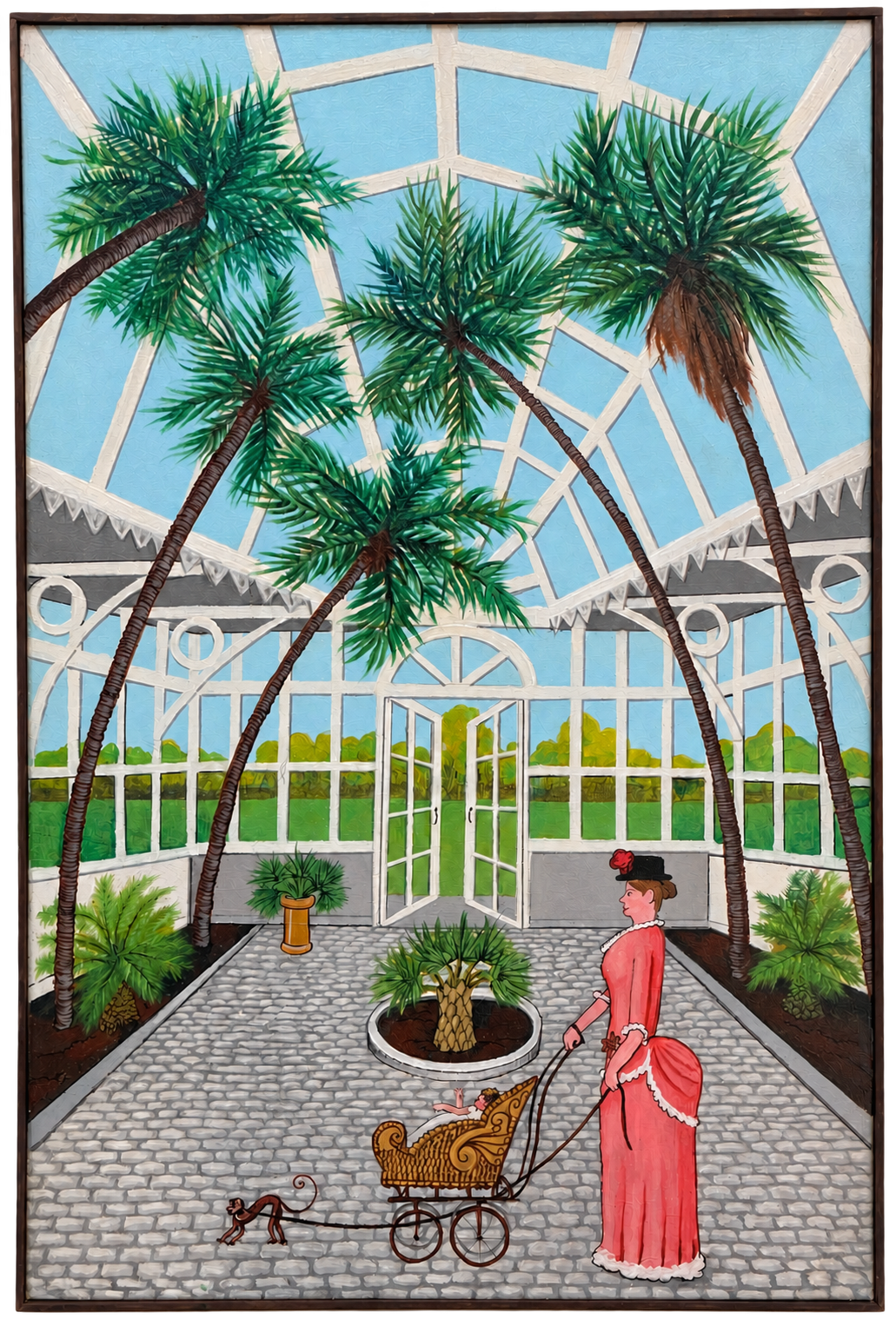
“Palm House”
Acrylic on Panel | 24 × 36 In.
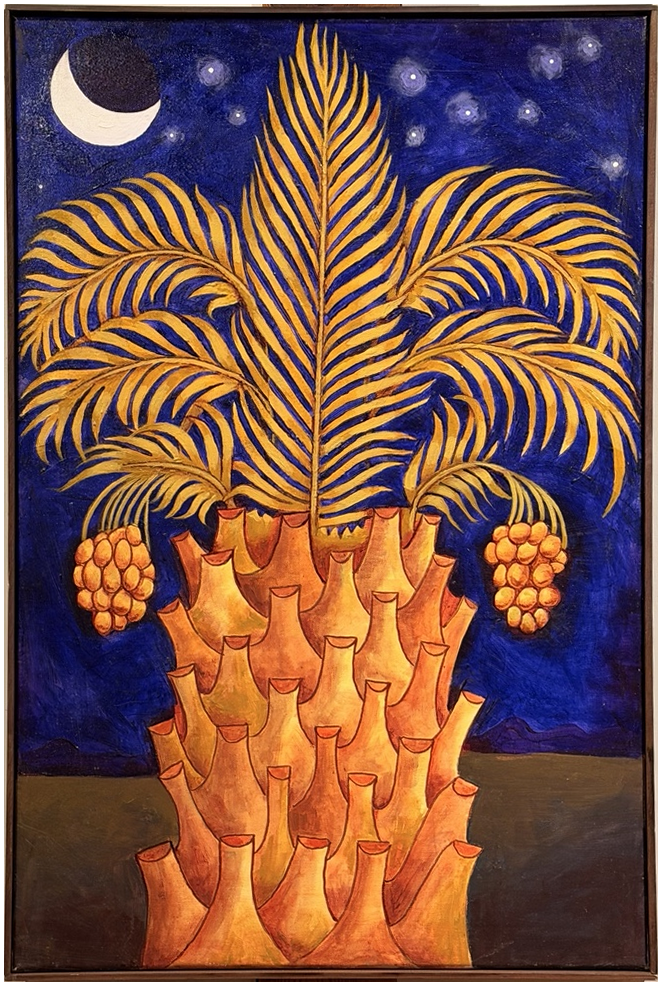
”Date Palm”
Acrylic on Panel | 24 × 36 In.
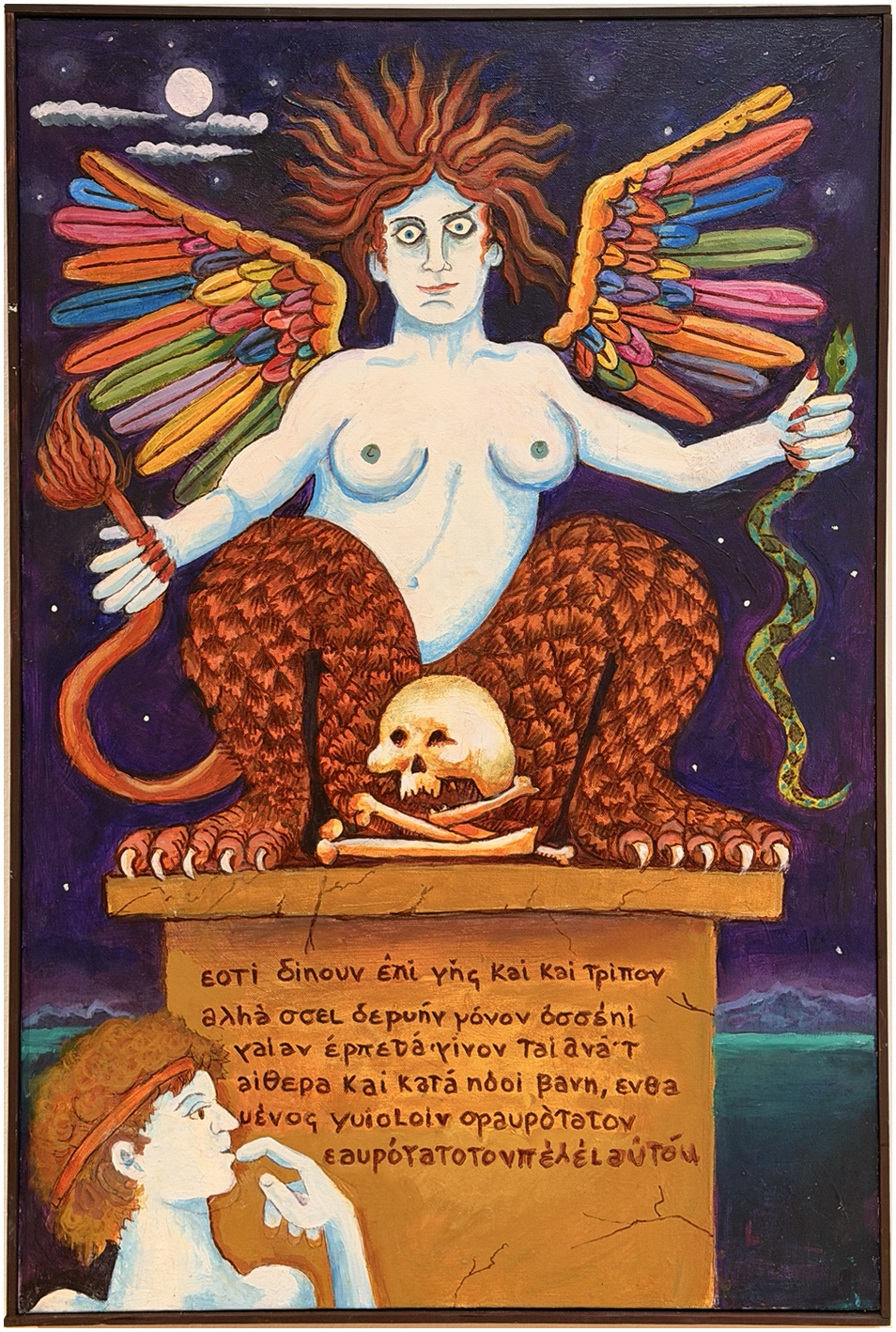
“The Riddle of the Sphinx”
Acrylic on Panel | 24 × 36 In.
Exhibitions
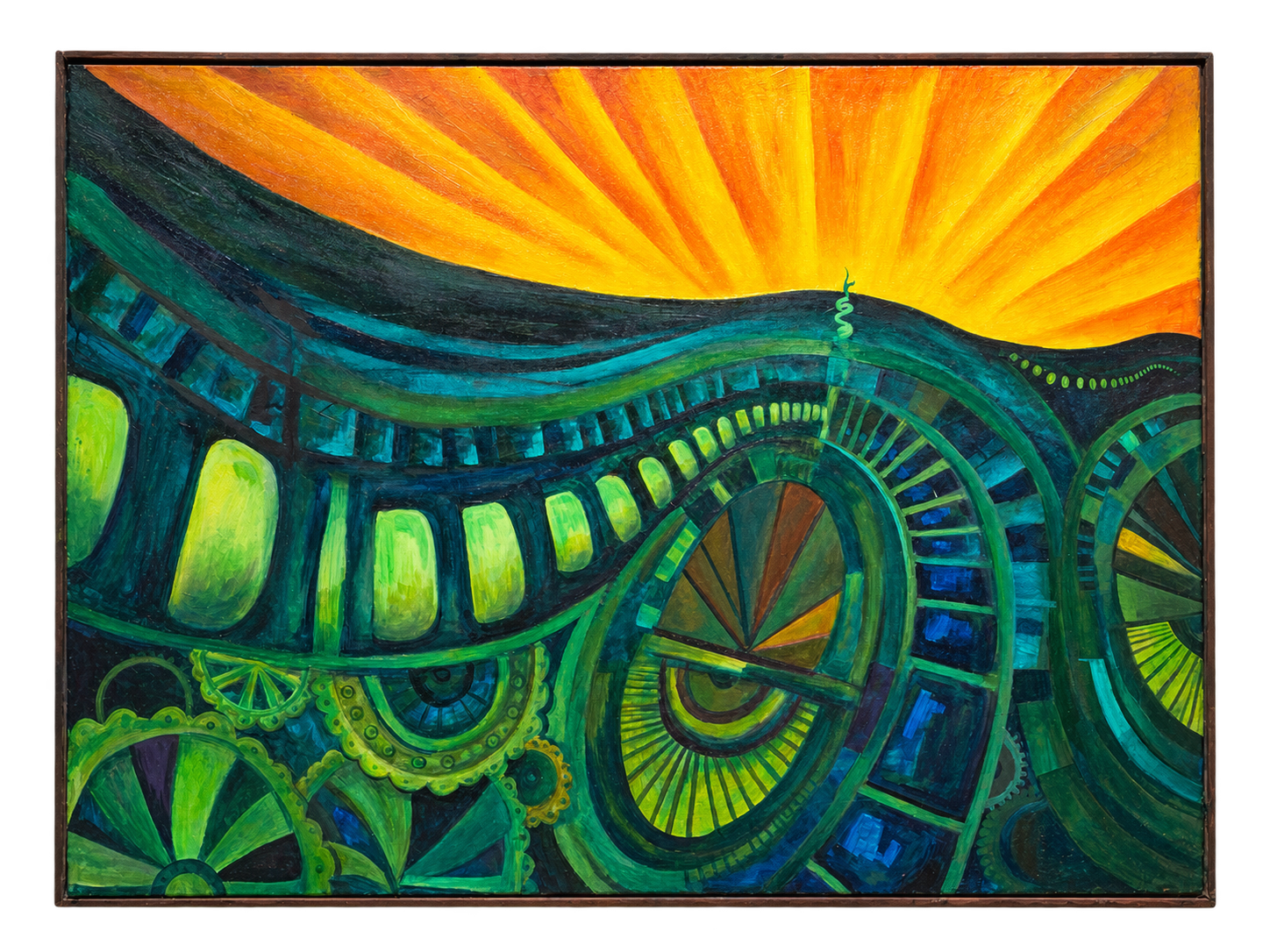
“Myths, Music & the Magic Palm!”
7 November – 18 November, 2026
Opening Weekend
November 7th & 8th, 2026 | 12pm - 5pm
Stay Informed About Our
ARTISTS, EXHIBITIONS, & UPCOMING EVENTS